
 Post by
In modern power infrastructure, reliability is not optional. Industries, utilities, oil and gas facilities, manufacturing plants, and commercial operations all depend on stable electrical systems to keep operations running safely and efficiently. A single fault in a high-voltage system can lead to unexpected shutdowns, equipment damage, safety risks, and significant financial losses.
This is why electrical testing has become one of the most critical parts of power system maintenance.
What Is High-Voltage Electrical Testing?
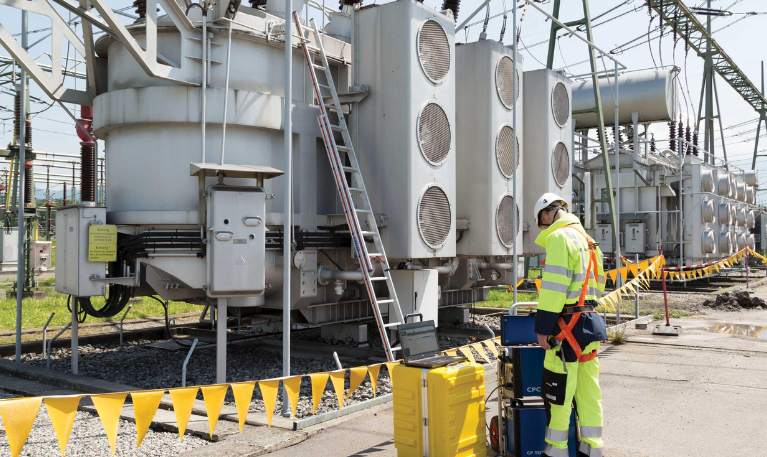
High-voltage electrical testing is the process of inspecting, measuring, and evaluating electrical equipment to ensure it operates safely and within design parameters. Testing is performed on essential power assets such as:
- Power transformers
- Circuit breakers
- Current transformers (CTs)
- Voltage transformers (VTs)
- Protection relays
- Switchgear systems
- Power cables
The goal is simple: identify hidden issues before they become major failures.
Why Electrical Testing Matters
1. Prevent Unexpected Equipment Failures
Electrical equipment often shows early warning signs before failure. Insulation degradation, overheating, loose connections, and internal defects can remain undetected without proper testing.
Routine diagnostics help engineers identify these issues early and take corrective action before they affect operations.
2. Improve Workplace Safety
Faulty electrical systems can create serious hazards, including arc flashes, short circuits, and fire risks. Regular testing helps ensure all equipment meets safety standards and operates under secure conditions.
This protects both personnel and critical infrastructure.
3. Reduce Downtime and Operational Losses
Unexpected outages can stop production, delay projects, and increase repair costs. Preventive electrical testing allows maintenance teams to schedule repairs during planned shutdowns instead of emergency situations.
This improves operational continuity and reduces costly interruptions.
4. Extend Equipment Life
High-value assets like transformers, switchgear, and protection systems represent major investments. Periodic testing helps maintain their performance and extends service life.
A well-maintained power system delivers better long-term return on investment.
Common High-Voltage Tests
Power engineers use specialized equipment to perform critical diagnostic tests, including:
- Transformer turns ratio testing
- Insulation resistance testing
- Primary injection testing
- Secondary injection testing
- Circuit breaker timing analysis
- CT analyzer testing
- Contact resistance measurement
- Relay protection testing
Leading equipment manufacturers commonly used in the industry include OMICRON, Megger, and Fluke.
Why Choose Professional Testing Services?
Advanced test equipment alone is not enough. Accurate diagnostics require trained engineers, proper calibration, and real-world system experience.
Professional testing services help organizations:
- Improve asset reliability
- Meet compliance standards
- Reduce maintenance costs
- Avoid unplanned shutdowns
- Increase system performance
Final Thoughts
Electrical testing is not just a maintenance task. It is an investment in safety, reliability, and operational efficiency. In high-voltage environments, early detection can prevent catastrophic failures and save significant repair costs.
For industries operating critical electrical infrastructure, routine testing is essential for long-term performance and business continuity.