 Post by
In today’s industrial and power sectors, accurate testing is essential for system reliability, safety, and operational efficiency. Whether working on substations, industrial plants, renewable energy projects, or infrastructure maintenance, engineers depend on advanced electrical test equipment to perform diagnostics and commissioning.
A common question for many contractors, utility companies, and maintenance teams is: Should you rent electrical test equipment or buy it?
The answer depends on your project scope, budget, usage frequency, and operational requirements.
This guide will help you make the right decision.
Understanding Electrical Test Equipment
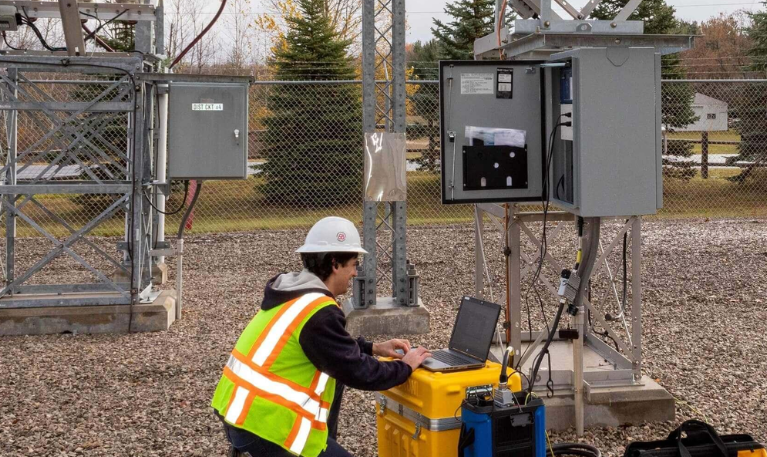
Electrical test equipment is used to inspect, verify, and troubleshoot critical power system components such as transformers, relays, circuit breakers, cables, and switchgear.
Popular testing equipment from manufacturers like OMICRON, Megger, and Fluke are widely used for:
- Primary injection testing
- Secondary injection testing
- Protection relay testing
- Transformer diagnostics
- CT and VT analysis
- Insulation resistance testing
When Renting Makes More Sense
1. Short-Term Projects
If your project lasts a few days, weeks, or months, renting is often the most cost-effective option. Purchasing expensive equipment for temporary use may not be practical.
Rental equipment allows project teams to access advanced tools without major capital investment.
2. Access to Latest Technology
Testing technology continues to evolve. Renting gives engineers access to modern, calibrated equipment without worrying about equipment becoming outdated.
This is especially useful for specialized testing requirements.
3. No Maintenance or Calibration Costs
Purchased equipment requires regular calibration, maintenance, software updates, and storage management.
With rentals, these responsibilities are usually handled by the service provider, saving time and operational costs.
4. Flexibility Across Projects
Different projects may require different testing solutions. Renting allows companies to choose the right equipment based on each project’s scope and technical requirements.
When Buying Makes More Sense
1. Frequent Equipment Usage
If your organization performs testing regularly throughout the year, owning equipment may provide better long-term value.
Frequent use can justify the upfront investment.
2. Immediate Availability
Owned equipment is always available when needed, reducing dependency on rental schedules or equipment availability.
This can be critical during emergency maintenance situations.
3. Internal Testing Teams
Companies with dedicated testing engineers often benefit from maintaining their own equipment inventory for ongoing operations.
Cost Comparison
While buying may seem like a long-term investment, ownership comes with hidden costs:
- Calibration expenses
- Repair and servicing
- Storage requirements
- Operator training
- Software licensing updates
Renting eliminates many of these additional expenses while keeping project costs predictable.
Which Option Is Right for Your Business?
Renting is ideal for:
- EPC contractors
- Shutdown maintenance projects
- Commissioning teams
- Temporary industrial projects
- Specialized testing requirements
Buying is ideal for:
- Utility companies
- Permanent maintenance teams
- Large industrial facilities
- Organizations with frequent testing needs
Final Thoughts
There is no single answer for every business. The best choice depends on your project timeline, budget, and operational demands.
For many organizations, equipment rental offers flexibility, lower upfront costs, and access to premium testing technology without long-term maintenance responsibilities.
By choosing the right approach, companies can improve efficiency, reduce operational risk, and maximize project profitability.